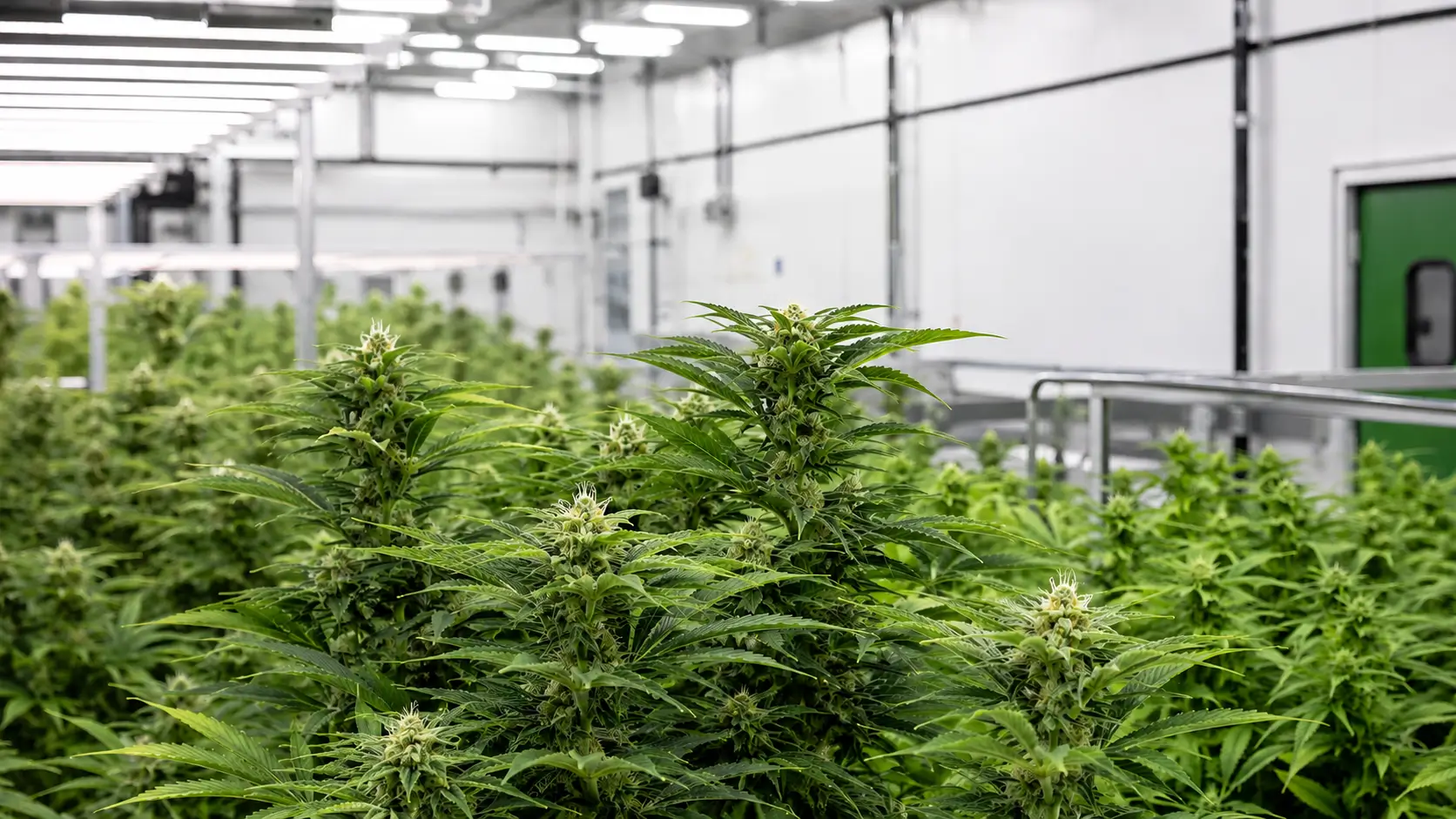
The multi-state cannabis operator revealed that it has registered state-licensed medical cannabis facilities with the U.S. Drug Enforcement Administration (DEA) following the federal government’s decision to move medical cannabis to Schedule III under the Controlled Substances Act.
The registrations cover selected dispensary, cultivation, and processing facilities serving medical cannabis patients within Cresco’s operating footprint. While the move applies specifically to medical cannabis operations, it represents one of the clearest examples yet of how federal rescheduling is beginning to reshape the regulatory landscape for licensed cannabis businesses in the United States.
A New Federal Framework Begins to Take Shape
The registrations were made possible through an expedited 60-day DEA registration pathway created after the federal government’s decision to reclassify medical cannabis as a Schedule III substance.
For decades, the conflict between state cannabis programs and federal law created a unique challenge for operators. Companies could obtain licenses and operate legally under state regulations while remaining subject to federal restrictions because cannabis remained classified under Schedule I.
The new registration mechanism creates a pathway for eligible state-licensed medical cannabis businesses to obtain federal recognition for certain activities. While the broader implications of the change will continue to develop over time, Cresco’s announcement demonstrates that operators are beginning to utilize the framework established by federal regulators.
What the Registration Means for Cresco Labs
According to the company, the registrations relate to facilities involved in dispensing, cultivating, and processing medical cannabis products for patients.
Chief Executive Officer Charlie Bachtell described the move as an important milestone for both the company and the broader cannabis industry. He emphasized that the registrations represent federal recognition of activities that have historically been regulated almost exclusively at the state level.
For Cresco Labs, the registrations further reinforce its position as one of the largest and most established operators in the U.S. cannabis market. The company has built its business around a portfolio of nationally recognized cannabis brands while operating retail locations under the Sunnyside banner.
Its brand portfolio includes Cresco, High Supply, FloraCal, Good News, Wonder Wellness Co., Mindy’s, and Remedi, among others.
The company’s strategy has long focused on combining large-scale cultivation and manufacturing capabilities with a consumer packaged goods (CPG) approach to brand building. As federal regulations continue to evolve, operators with established infrastructure and compliance systems may be better positioned to adapt to new requirements.
Why Investors Should Pay Attention
While the announcement does not immediately change market fundamentals, it serves as another indication that federal cannabis policy is entering a new stage.
Many investors have viewed federal reform as one of the most important catalysts for the U.S. cannabis sector. Historically, uncertainty surrounding federal enforcement, banking access, taxation, and interstate commerce has weighed on the industry’s growth potential.
The DEA registration process represents one of the first tangible mechanisms to emerge following rescheduling. Although the scope currently applies to medical cannabis operations and eligible state-licensed facilities, the development demonstrates that federal agencies are beginning to establish operational frameworks that align with the new classification.
For investors, the significance lies less in the individual registrations and more in what they may signal for future regulatory integration.
Several questions remain unanswered, including how federal oversight will interact with existing state programs and whether additional registration opportunities or compliance requirements will emerge in the coming years.
However, Cresco’s participation in the process provides a real-world example of how leading operators are positioning themselves within the new regulatory environment.
Industry-Wide Implications
The broader cannabis industry has spent years advocating for regulatory reforms that would reduce uncertainty and bring greater consistency between state and federal frameworks.
DEA registration of medical cannabis facilities may contribute to that process by creating formal channels through which licensed operators can engage with federal regulators.
The move could also encourage other multi-state operators and medical cannabis businesses to pursue registration if they meet eligibility requirements.
Although it remains too early to assess the long-term impact, the development adds another layer of legitimacy to the regulated medical cannabis market. For an industry that has often faced challenges related to perception, compliance complexity, and regulatory fragmentation, federal recognition of licensed activities may be viewed as a meaningful step forward.
At the same time, investors should remain mindful that substantial regulatory, legislative, and market challenges remain. Federal legalization has not occurred, and the cannabis industry continues to operate within a patchwork of state-specific rules.
Looking Ahead
Cresco Labs’ announcement marks one of the first notable examples of a major cannabis operator formally entering the DEA registration framework established after federal rescheduling.
The registrations do not fundamentally alter the competitive landscape overnight. Still, they do offer a glimpse into how federal and state cannabis regulations may become increasingly interconnected.
The key takeaway for investors is that rescheduling is beginning to produce measurable operational outcomes rather than remaining solely a policy discussion. As more companies evaluate the registration pathway and federal agencies continue implementing the new framework, the cannabis industry may gain additional clarity on what the next phase of regulation will look like.
For now, Cresco Labs has positioned itself at the forefront of that transition, becoming an early participant in a process that could help shape the future relationship between licensed cannabis operators and federal regulators.

Rita Ferreira
Rita is a seasoned writer with over five years of experience, having worked with globally renowned platforms, including Forbes and Miister CBD. Her deep knowledge of hemp-related businesses and passion for delivering accurate and concise information distinguish her in the industry. Rita's contributions empower individuals and companies to navigate the complexities of the cannabis world, and her work remains a valuable resource for those seeking a deeper understanding of its potential.