
Glass House Brands Inc. has formally celebrated its listing on the New York Stock Exchange, with Chairman and CEO Kyle Kazan ringing the closing bell on August 28.
The ceremony came almost two months after the California cannabis producer’s subordinate voting shares began trading on the NYSE under the ticker GLAS on June 30. The company had previously traded in the U.S. on the OTCQX under the symbol GLASF.
Glass House initially announced that its shares had been approved for the NYSE on June 25, describing the uplisting as an important milestone for both the company and the wider U.S. cannabis sector.
The company’s shares continue to trade on Cboe Canada under the ticker GLAS.A.U.
Glass House Restructured Business Ahead of NYSE Move
The path to the NYSE required Glass House to restructure its corporate structure.
On June 17, the company announced the deconsolidation of Glass House Retail LLC, separating its dual-use cannabis operations from its medical cannabis business. The restructuring was undertaken in connection with its application to list its subordinate voting shares on the NYSE.
The move followed a significant shift in U.S. federal cannabis policy earlier this year. In April, the Department of Justice placed FDA-approved marijuana products and marijuana covered by qualifying state medical marijuana licenses into Schedule III of the Controlled Substances Act.
The federal change did not amount to nationwide cannabis legalization or the complete rescheduling of marijuana. Cannabis outside the categories covered by the April rule remains in Schedule I while a separate federal rulemaking process considers broader rescheduling.
Companies operating within the new medical cannabis framework, however, have seen the change open possibilities that were previously difficult or unavailable, including greater access to major U.S. stock exchanges.
Glass House said when announcing its NYSE approval that the listing had not been possible before the federal reclassification of medical cannabis.
NYSE Listing Expands Glass House’s Access to US Investors
Moving from the OTCQX to the NYSE gives Glass House access to one of the world’s largest public equity markets and potentially puts its shares in front of a much broader group of institutional and retail investors.
The listing’s benefits are already extending into the company’s capital-raising strategy.
In July, Glass House updated its at-the-market equity program to allow shares to be sold in both the U.S. and Canada. The program allows the company to sell up to $100 million of equity shares from time to time, with the NYSE listing enabling sales under the program in the United States.
Trading on the OTCQX under GLASF ended following the June 29 session, before GLAS began trading on the NYSE the following morning.
The August 28 ceremony provided a more visible celebration of that transition, with the NYSE officially welcoming Glass House and Kazan ringing the closing bell.
Glass House Looks Beyond California
The listing also comes as Glass House considers opportunities outside its existing California-focused business.
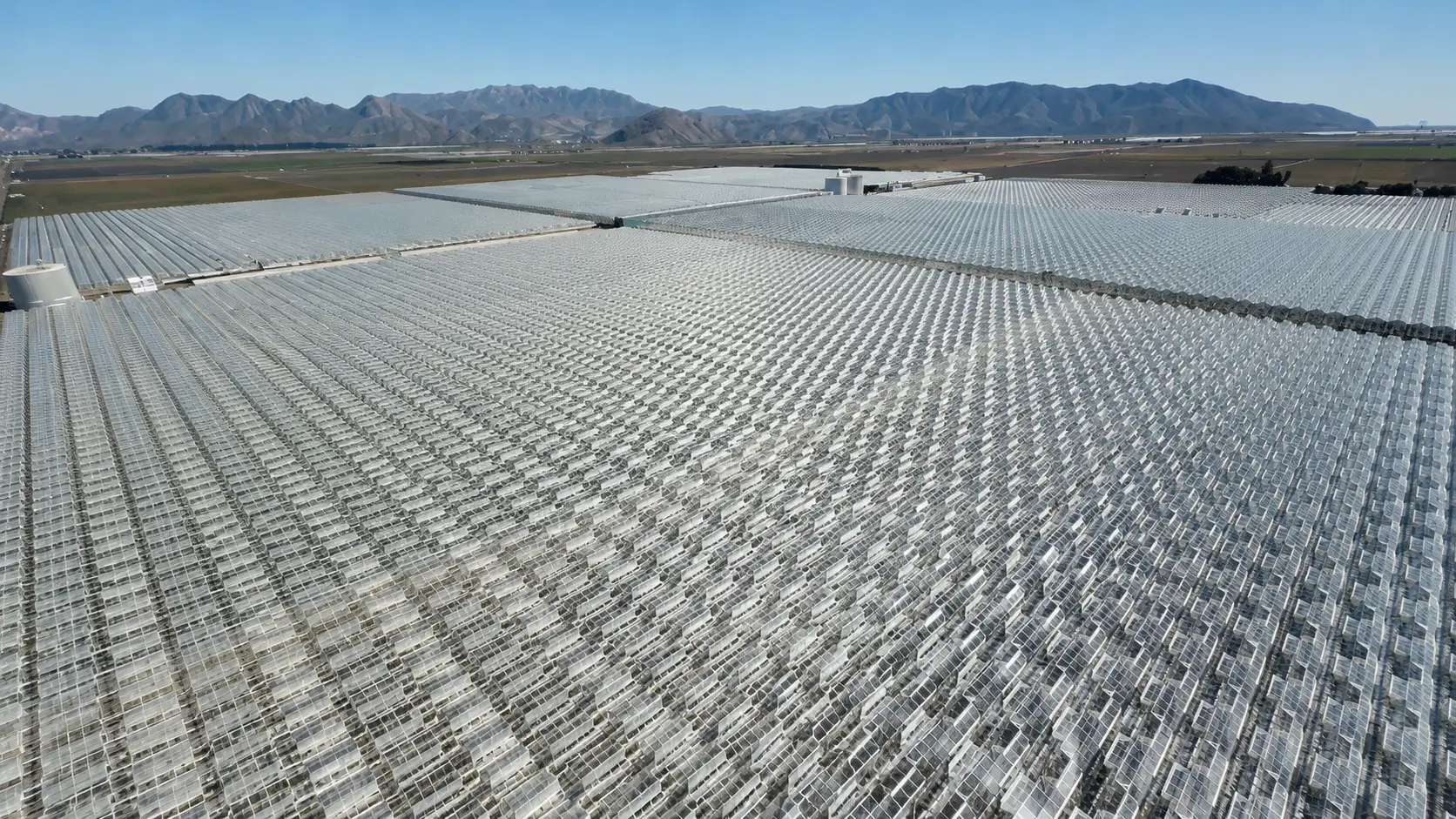
The company has built its operations around large-scale greenhouse cultivation and describes itself as the largest cannabis flower brand in California. Its current greenhouse footprint covers approximately six million square feet.
Management has pointed to federal cannabis reform as a potential route toward substantially larger markets. In its June listing announcement, Glass House highlighted possible future interstate commerce and exports of medical cannabis to Europe as ways to expand its addressable market.
International expansion is already beginning to take shape. In July, Glass House announced it completed its first international hemp sale.
The company has also brought in additional regulatory expertise. Later that month, it retained a former Drug Enforcement Administration compliance executive to advise on potential interstate commerce and medical cannabis export opportunities.
Glass House’s production scale remains central to those ambitions. In its second-quarter results, released in August, the company reported record quarterly biomass production of 246,000 pounds and a production cost of $122 per pound. It also maintained its forecast of approximately one million pounds of wholesale cannabis biomass production for the full 2026 financial year.
The NYSE listing doesn’t remove the regulatory risks facing Glass House or the U.S. cannabis sector more broadly. Federal rules continue to distinguish between qualifying medical marijuana and other cannabis, while the wider process of potentially moving marijuana from Schedule I to Schedule III remains separate.
Still, Glass House’s arrival on the NYSE is another sign that recent federal policy changes are beginning to reshape the relationship between U.S. cannabis companies and mainstream capital markets.

Rita Ferreira
Rita is a seasoned writer with over five years of experience, having worked with globally renowned platforms, including Forbes and Miister CBD. Her deep knowledge of hemp-related businesses and passion for delivering accurate and concise information distinguish her in the industry. Rita's contributions empower individuals and companies to navigate the complexities of the cannabis world, and her work remains a valuable resource for those seeking a deeper understanding of its potential.