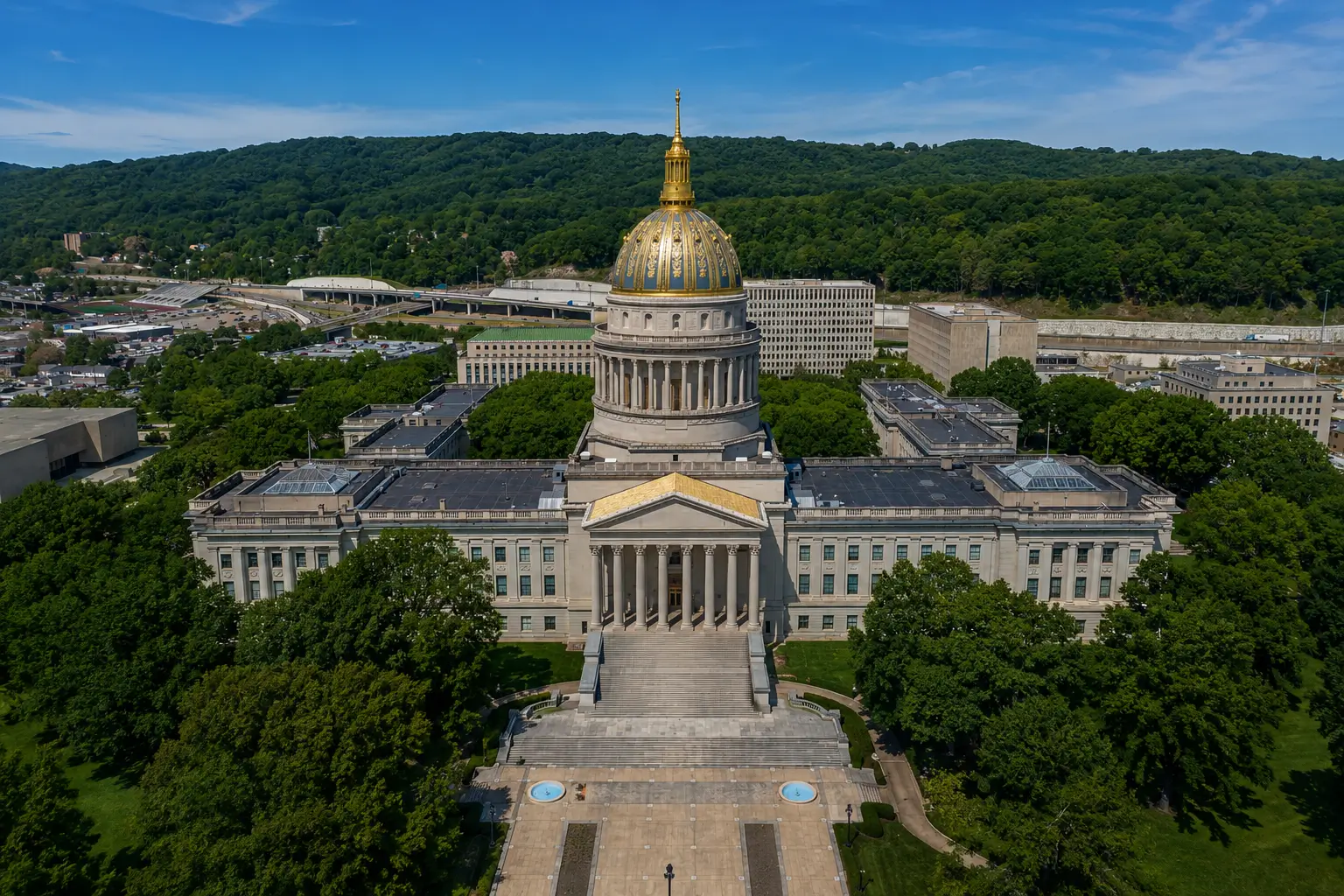
In West Virginia, recreational cannabis is illegal under state law. However, cities such as Charleston and Morgantown have introduced limited decriminalization policies for small amounts.
Medical cannabis became legal in 2017 through a state-approved program, allowing registered patients access to certain cannabis products. Hemp-derived CBD products are also legal under specific regulations.
Key Takeaways
- West Virginia prohibits recreational cannabis, and possession can still lead to criminal penalties.
- Registered patients can legally access medical cannabis through the state’s licensed dispensary system.
- West Virginia allows hemp-derived CBD products with no more than 0.3% THC under hemp laws.
Historical Overview of Cannabis Regulation in West Virginia
West Virginia has enforced strict cannabis laws for decades, especially regarding recreational use and possession.
State authorities have historically treated possession of even small amounts as a criminal offense, and West Virginia still applies harsher penalties than several neighboring states.
The state introduced its biggest cannabis reform in 2017, when Governor Jim Justice signed Senate Bill 386, legalizing medical cannabis for qualifying patients. This decision made West Virginia the 29th U.S. state to approve a medical cannabis program.
Regulators and lawmakers faced banking and compliance issues during the rollout, which delayed patient access until 2021. That year, the first medical cannabis dispensary opened in Morgantown.
Lawmakers later expanded the program in 2020, approving dry cannabis flower after the original law banned natural plant forms. In 2024, legislators introduced a bill that would legalize and regulate recreational cannabis for adults. However, the proposal did not become law. In 2026, the House of Delegates also advanced legislation that could allow THC edibles in the medical program.
Social and political debates continue to influence cannabis policy in the state. Civil rights organizations and advocacy groups have criticized arrest disparities linked to cannabis enforcement, particularly among Black residents. At the same time, legalization in nearby Maryland, Ohio, and Virginia has increased public discussion around reform in West Virginia.
Medical Cannabis in West Virginia: Legal Provisions and Accessibility
West Virginia legalized medical cannabis in 2017 after Governor Jim Justice signed Senate Bill 386 into law. The program allows approved patients with qualifying medical conditions to purchase and use medical cannabis through a regulated state system. Qualifying conditions include, among others:
- Cancer
- PTSD
- Multiple sclerosis
- Epilepsy
- Parkinson’s disease
- Chronic pain
- Crohn’s disease
- HIV/AIDS
Patients must first obtain a written certification from a physician registered with the state’s medical cannabis program. Registered doctors must complete state-required training and continue supervising the patient’s treatment. After receiving certification, patients apply for a medical cannabis identification card through the Office of Medical Cannabis. Approved caregivers can also register to assist patients with purchases and administration.
State law allows patients to buy products such as oils, tinctures, capsules, topical creams, liquids, patches, and dry cannabis flower intended for vaporization. West Virginia doesn’t allow smoking cannabis or purchasing commercially manufactured edibles under the current program, although lawmakers continue considering proposals to permit edible products.
Patients may possess up to a 30-day supply, defined as 6 ounces within that period. State regulators oversee growers, processors, dispensaries, and testing laboratories through strict licensing and tracking requirements.
Counties also have the authority to restrict or ban medical cannabis businesses locally. Registered patients receive legal protections for authorized use, but state law still prohibits driving with certain THC levels in the bloodstream.
Current Legal Status of Recreational Marijuana in West Virginia
Recreational cannabis is illegal in West Virginia. You can’t use, possess, cultivate, or commercialize cannabis under state law. State authorities still classify marijuana possession as a criminal offense, although some cities have introduced limited decriminalization measures:
- Charleston adopted a local decriminalization ordinance in 2024 covering possession of 15 grams or less of marijuana. First-time offenders no longer face jail time or fines under the city ordinance.
- Morgantown adopted partial decriminalization measures in 2020 for possession of 15 grams or less, reducing penalties to a small local fine in some cases.
State lawmakers continue debating cannabis reform proposals. Senator Mike Woelfel introduced Senate Bill 100 to reduce penalties for possessing less than 15 grams of cannabis. If approved, the bill would replace criminal penalties and jail time with a small civil fine.
Legislators have also proposed constitutional amendments that would allow adults aged 21 and older to possess limited amounts of cannabis and grow plants at home, but lawmakers have not passed these measures.
West Virginia only allows THC-containing cannabis products through the state’s medical cannabis program. State and federal hemp laws allow hemp-derived CBD products containing no more than 0.3% THC. After Congress passed the 2018 Farm Bill, West Virginia lawmakers adopted the Industrial Hemp Development Act, allowing licensed producers to cultivate hemp and sell compliant hemp-derived CBD products.
Possession, Cultivation, and Consumption: What’s Allowed in West Virginia?
State law still classifies marijuana and cannabis concentrates as Schedule I controlled substances, meaning authorities treat non-medical possession and distribution as criminal offenses.
Police can charge anyone possessing marijuana with a misdemeanor offense, even for very small amounts. Current penalties include:
Possession of any amount of marijuana:
- Between 90 days and 6 months in jail
- Fines of up to $1,000
First-time possession offense involving less than 15 grams:
- Courts may grant conditional discharge and probation instead of a formal conviction
Transporting marijuana into West Virginia:
- Minimum 1-year prison sentence
- Fines of up to $10,000
West Virginia doesn’t allow home cultivation for recreational users or medical cannabis patients. Authorities may prosecute cultivation cases as either simple possession or intent to distribute, depending on the quantity involved.
Registered medical cannabis patients may legally purchase approved products from licensed dispensaries. State law allows oils, tinctures, capsules, topical products, patches, liquids, and dry cannabis flower for vaporization. Patients may possess up to a 30-day supply, defined as 6 ounces within that period.
What Future for Cannabis Legislation in West Virginia?
West Virginia lawmakers continue discussing cannabis reform, even though the state still prohibits recreational marijuana.
In recent years, legislators have introduced proposals to decriminalize possession, legalize adult-use cannabis, and create a regulated retail market. Some proposals would allow adults aged 21 and older to possess limited amounts of cannabis and grow a small number of plants at home.
We also expect continued efforts to expand the medical cannabis program. Recent bills have focused on allowing THC edibles for registered patients and permitting limited home cultivation for medical use.
Although West Virginia still enforces strict recreational cannabis laws today, growing legalization in neighboring states and continued legislative discussions could push the state toward additional reforms in the future.
To Sum Up
Is Marijuana legal in West Virginia? West Virginia prohibits recreational cannabis under state law, and authorities can prosecute possession, cultivation, and distribution offenses with criminal penalties.
At the same time, the state allows registered patients with qualifying conditions to access medical cannabis through licensed dispensaries operating under the state’s medical cannabis program. State and federal hemp laws also allow compliant hemp-derived CBD products containing no more than 0.3% THC.
West Virginia lawmakers continue debating proposals to decriminalize cannabis possession, expand medical cannabis access, and eventually legalize adult-use marijuana. Although legislators have not approved recreational legalization so far, ongoing discussions and changes in neighboring states continue shaping the conversation.
Anyone interested in cannabis laws in West Virginia should continue to monitor legislative and regulatory developments closely.

Rita Ferreira
Rita is a seasoned writer with over five years of experience, having worked with globally renowned platforms, including Forbes and Miister CBD. Her deep knowledge of hemp-related businesses and passion for delivering accurate and concise information distinguish her in the industry. Rita's contributions empower individuals and companies to navigate the complexities of the cannabis world, and her work remains a valuable resource for those seeking a deeper understanding of its potential.